TL;DR: Hoarding disorder is a recognized mental health condition, related to OCD, that causes a person to accumulate possessions until rooms, exits, and vents become blocked. The resulting clutter trapped moisture, rotting food, pest activity, and blocked airflow turns an ordinary home into a fire hazard, a structural risk, and a breeding ground for mold and bacteria. Professional cleanup crews work room by room in full protective gear, separating hazardous waste from salvageable belongings before any remediation or repair begins.
If you’ve just walked into a parent’s house in Sioux Falls and found a hallway you can no longer get down, you already know this isn’t a weekend cleaning project. Hoarding situations are emotional for the person living in them and genuinely hazardous for anyone who has to deal with the aftermath. This isn’t about judgment. It’s about understanding what’s actually happening inside that home, physically and medically, so the right kind of help gets called before someone gets hurt.
What Makes Hoarding a Health and Safety Issue, Not Just a Clutter Problem?
Hoarding disorder is classified as related to obsessive-compulsive disorder, where a person becomes emotionally attached to possessions and feels unable to discard them, even when the home is no longer livable. The International OCD Foundation notes that many people with the condition don’t see their accumulation as a problem, which is part of why the situation is often avoided until it is severe.
The disorder itself is a mental health condition. The home it creates is a physical one. When clutter blocks rooms, hallways, and entrances, basic daily functions like bathing, cooking, and cleaning stop happening. Dirt, bacteria, and moisture build up undisturbed, and the home’s condition deteriorates far faster than a typical neglected house.
What Specific Hazards Show Up Inside a Hoarded Home?
A severely hoarded home typically carries four overlapping risks at once: fire, structural failure, pest infestation, and poor air quality. Each one compounds the others.
- Fire risk. Clutter piles are often made of paper, cardboard, and clothing, all flammable. Stacked materials covering heat vents or electrical outlets, combined with rodents that chew through wiring, create real ignition sources.
- Structural damage. Moisture and decaying material trapped behind piles for months feed mold that can cause serious structural damage to framing and flooring.
- Pest infestation. Rotting food, trash, and undisturbed clutter give cockroaches, rodents, and flies food, shelter, and breeding space all in one.
- Poor indoor air quality. Dust, decaying organic material, and ammonia from waste or animal activity can seriously degrade the air a person is breathing every day, contributing to respiratory irritation and infection.
When stacks tip over, they can fall onto the person living there or block air vents, which is one of the more immediate physical dangers in advanced cases.
How Does Animal Hoarding Make the Situation Worse?
Animal hoarding adds a second layer of contamination risk on top of everything else, because waste and dander spread germs across both human and pet food sources in the home. When pets are kept well beyond what a person can actually care for, sanitation breaks down quickly, and if an animal dies within a cluttered space, it may go undiscovered for a long time, creating a serious biohazard situation that requires trained handling, not a weekend cleanout.
Why Does Mold Take Over in a Hoarded Home, and What Does Cleanup Actually Involve?
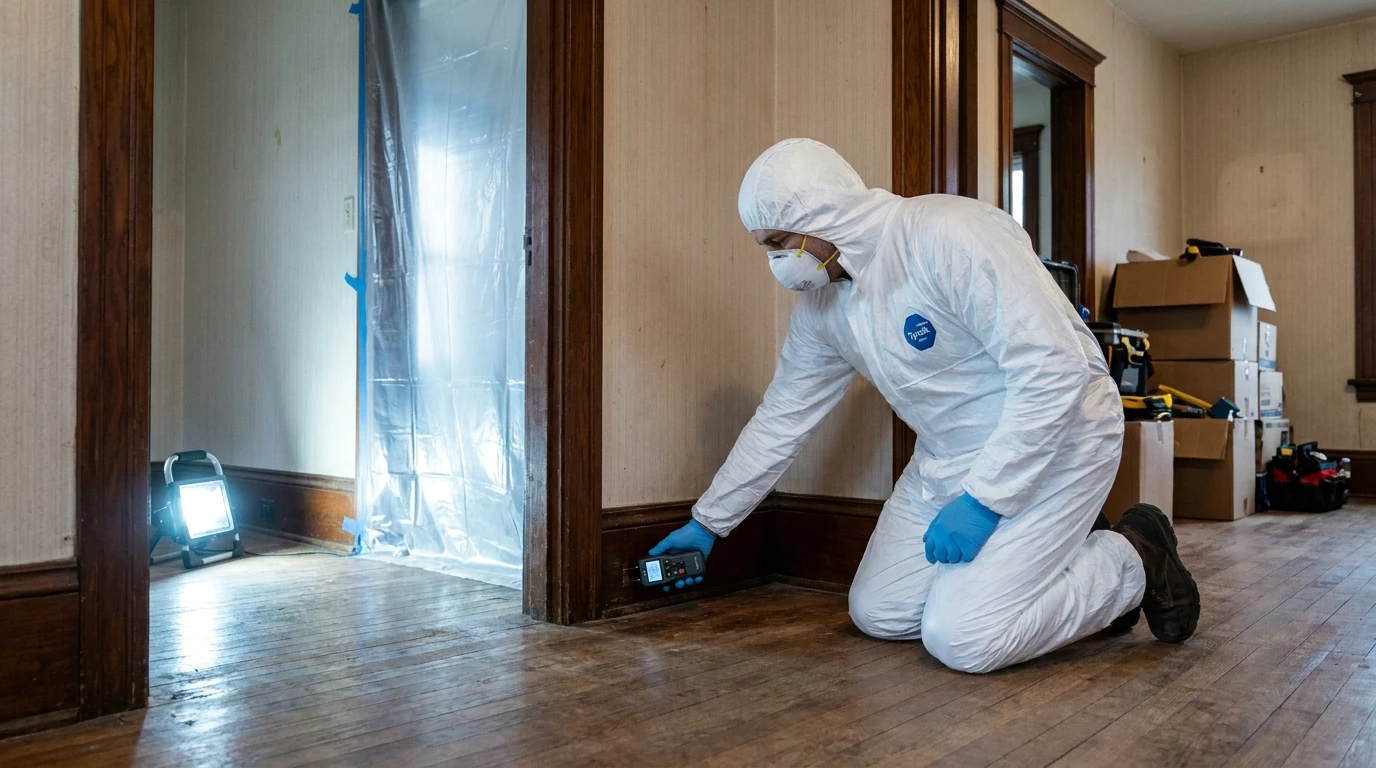
Mold thrives in hoarded homes because clutter blocks the airflow that normally keeps indoor humidity in check. Stale, trapped air combined with decaying food, unwashed dishes, and high moisture gives mold and mildew exactly the conditions they need. The EPA notes that mold can begin colonizing damp material within 24 to 48 hours, and in a home where piles haven’t moved in months, growth can spread well beyond what’s visible from the doorway. If you’re already seeing discoloration or a musty smell, our guide to hidden mold signs walks through what to look for before remediation starts.
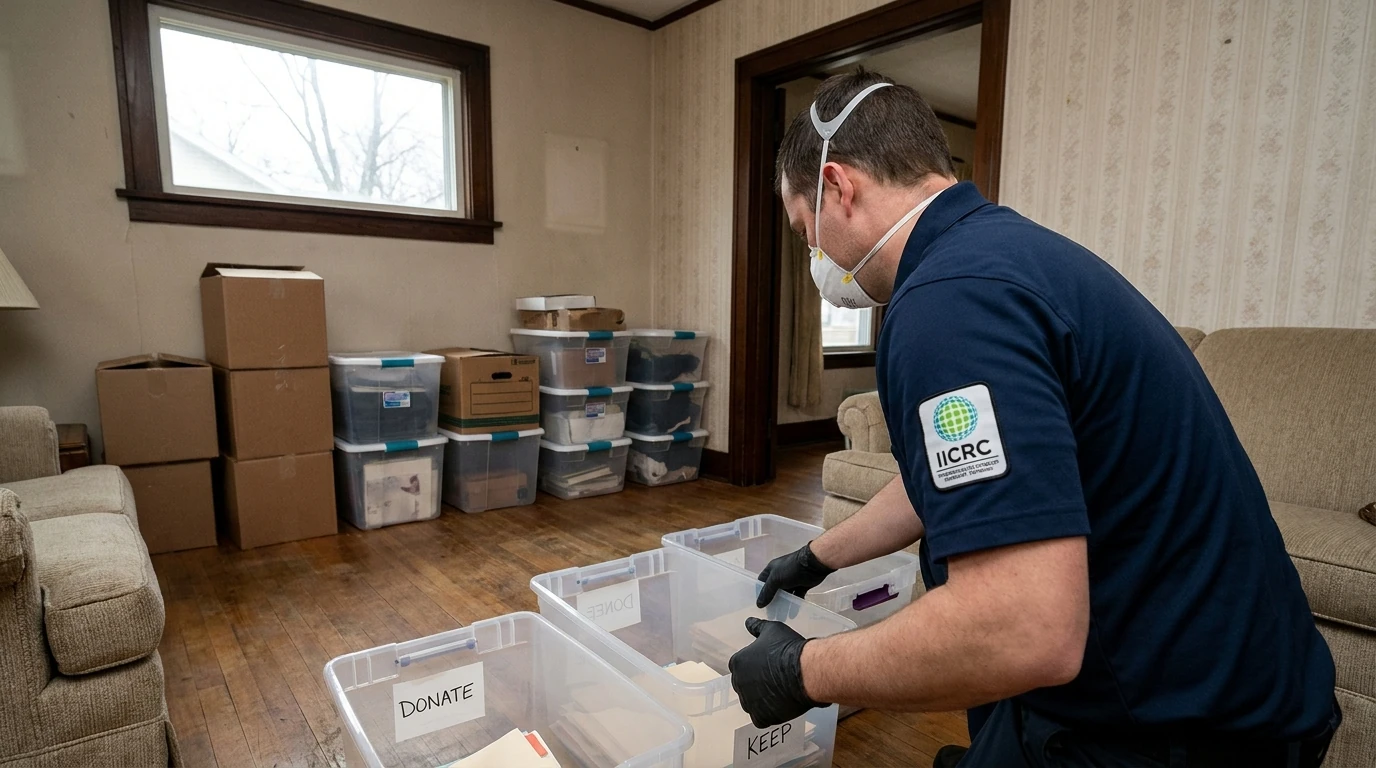
Professional cleanup in these homes happens in a specific order. Crews in full protective gear, gloves, respirators, and eye protection, work room by room to separate hazardous waste from items the family can still decide to keep, donate, or discard. Only once the home is cleared does mold remediation and structural repair begin, because you can’t properly assess water damage, air quality, or framing until the clutter blocking those areas is gone.
When Is It Time to Call a Professional Cleanup Team?
It’s time to call a professional team once clutter is blocking exits, hiding active mold or pest activity, or making it unsafe to move through the home. These situations involve biohazard exposure, structural risk, and emotionally difficult decisions all at once, which is more than a family can reasonably manage alone. Crew Restoration & Construction handles this kind of cleanup through its biohazard cleanup service, working discreetly and methodically so the family can focus on the person, not the process.
A hoarding situation is hard on everyone involved, the individual, their family, and anyone trying to help from the outside. If someone you care about is ready for a fresh start, getting the right team in the door, one that treats the home and the person with respect, is the first real step toward making the space livable again.
About Crew Restoration & Construction
Crew Restoration & Construction is an IICRC-certified company (license #3814) founded in 2015, serving Sioux Falls, SD and the surrounding region. Led by Kyle Eberts, the company handles biohazard cleanup, mold remediation, water and fire damage restoration, and full structural reconstruction for homes across the area.
Need help now? Call Crew Restoration & Construction at (605) 965-2727.