TL;DR: A metal roof typically lasts 40 to 70 years versus 12 to 20 for asphalt shingles, reflects heat to cut summer cooling costs, and can sometimes go directly over an existing shingle layer. The trade-offs are a higher upfront price, visible dents after a hard hailstorm on softer metals, and more rain noise unless you add underlayment. For most South Dakota homes, the decision comes down to how long you plan to stay in the house and how much hail risk you’re willing to accept.
If you’re staring at a roof that’s shedding granules into the gutters or showing bald patches after years of storms, you’re probably weighing a straight asphalt replacement against a metal upgrade. Both are legitimate choices. The difference comes down to upfront budget versus long-term cost, and how much you care about noise and dent resistance. Here’s what actually separates the two, without the sales pitch.
How Long Does a Metal Roof Last Compared to Asphalt Shingles?
A well-installed metal roof typically lasts 40 to 70 years, while a standard asphalt shingle roof runs 12 to 20 years before it needs replacing. That gap is the single biggest reason homeowners switch.
The longevity comes from the material itself. Steel, aluminum, zinc, and copper don’t crack, curl, or lose granules the way asphalt does, and they handle harsh weather and strong winds well.
That durability is also why metal roofs carry a premium: you’re paying for a roof you may not have to replace again for a very long time.
What Are the Real Benefits of a Metal Roof?
Beyond lifespan, the biggest practical benefits are lower cooling costs, recyclable material, and an installation that often doesn’t require tearing off the old roof first.
Metal reflects heat and sunlight back into the air instead of absorbing it the way dark asphalt does. That reflectivity can reduce cooling costs in the summer, especially on roofs with a special reflective coating, so you don’t have to overuse your AC. Metal roofing also contains recycled material and can be recycled again at the end of its life.
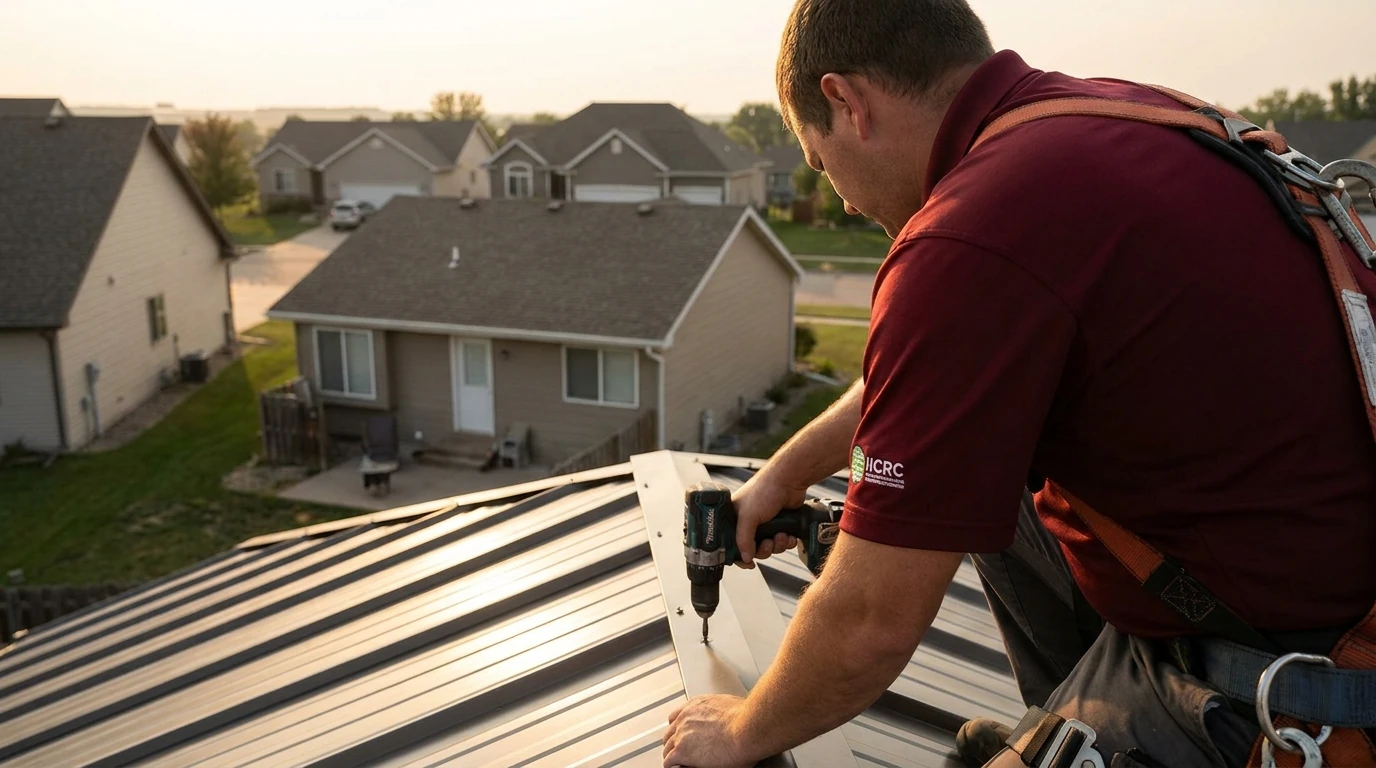
Because metal panels are light, a new roof can sometimes be installed directly over the existing shingle layer rather than requiring a full tear-off. That isn’t always allowed; it depends on your local building code and how many layers are already on the roof, so confirm it with your contractor before assuming it applies to your house. If you plan to collect rainwater or add solar panels down the road, a metal roof is a good option to pair with them.
On style, you’re not stuck with one look. Options include aluminum, galvanized steel, copper, zinc, tin, and standing-seam panels, with the ribbed panel profile being the most common choice, plus a wide range of color finishes once you’ve picked a metal type.
What’s the Real Cost, and What Are the Trade-Offs?
A metal roof costs more than asphalt shingles, and the gap is driven as much by labor as by materials.
Installing metal roofing takes extensive training and special equipment, which pushes installation costs higher than an asphalt job. That’s the honest trade-off against the longer lifespan: you pay more now in exchange for a roof that lasts much longer.
The other two trade-offs are physical, not financial. First, hail. Metal roofs hold up well against wind and heavy storms overall, but a hard hail event can leave visible dents, especially on softer metals like aluminum and copper. Steel holds up better against denting than those softer options, which is worth factoring in when you pick a material. If you’ve already filed a storm claim on a previous roof, our storm damage insurance claim checklist walks through what documentation an adjuster will actually want.
Second, noise. Rain and hail hit a metal roof louder than they hit shingles unless you add extra insulation or underlayment beneath the panels during installation. Some homeowners actually prefer the sound; it’s worth deciding ahead of time rather than being surprised by it during the first thunderstorm.
When Does a Metal Roof Replacement Call for a Professional?
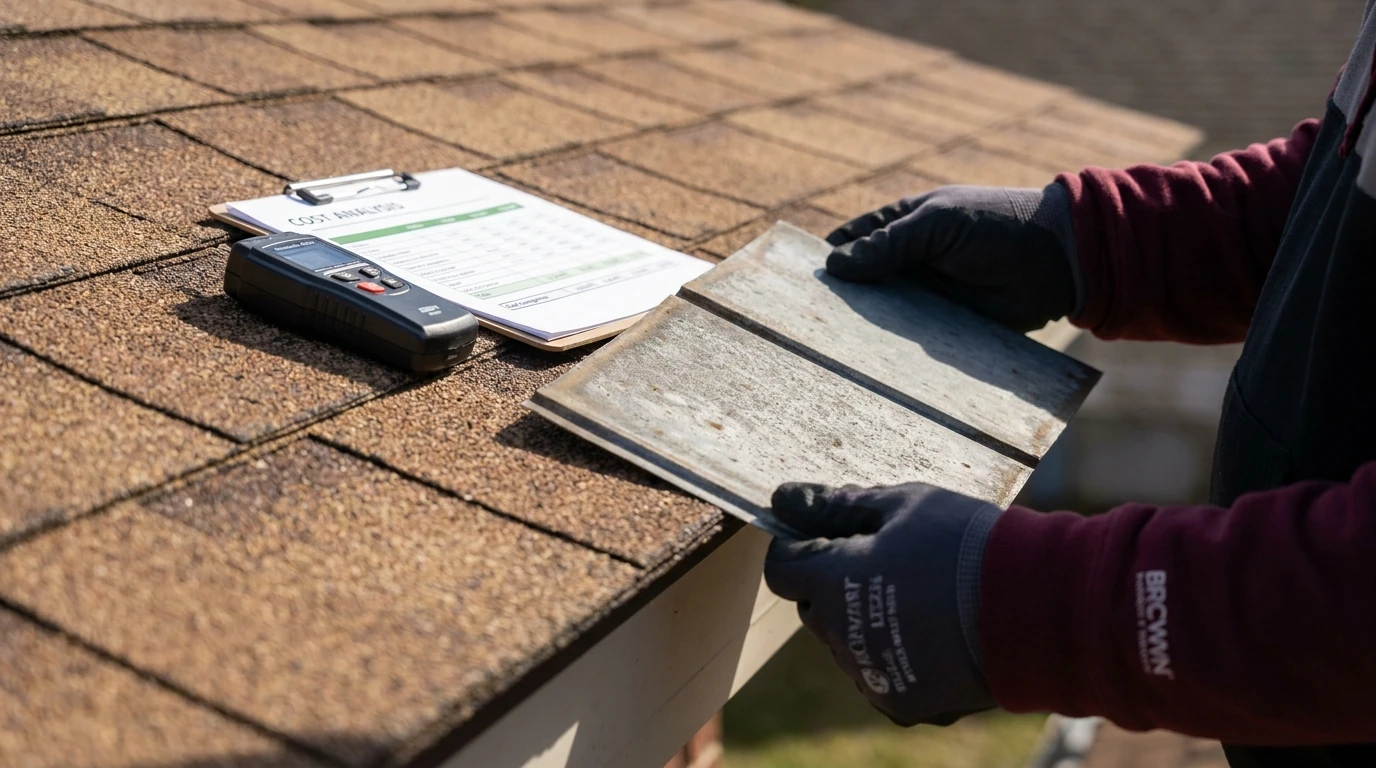
Once your current roof is losing granules, showing bare spots, or has storm damage, it’s time for a licensed roofer to inspect the deck and framing, not just the shingles, before you pick a material. A roof that looks fine from the ground can have soft decking or water intrusion underneath that changes the whole scope of the job, and a reroof over rotten decking is money wasted either way.
Re-shingling is also on the list of projects that typically need a building permit; our guide on when to obtain a building permit covers what triggers that requirement. Crew Restoration & Construction provides a thorough inspection of your property and lays out the options and prices that best fit your budget. You can see the service scope on the roofing page.
If your roof is already past the point of a simple patch, the next step is a professional inspection, not another season of guessing. Call Crew Restoration & Construction at (605) 965-2727 to schedule one.
About Crew Restoration & Construction
Crew Restoration & Construction has served Sioux Falls, SD and the surrounding region since 2015, holding South Dakota contractor license #3814. This post was prepared with input from Kyle Eberts and the Crew team, who handle roofing, siding and gutters, and general contracting work alongside the company’s restoration services across the Sioux Falls metro.